Fight Cancer Retro SVG: A Designer's Review
As someone who has spent years turning digital files into tangible, stitched realities for clients and my own small shop, I know that the difference between a good design and a great finished product often lies in the details. When I first opened the Fight Cancer Retro SVG file to evaluate it for a potential client project, my initial reaction wasn't just about the message, but about how that message would translate from a screen to fabric. This isn't just another graphic; it is a statement piece that requires careful consideration regarding stitch density, thread selection, and the specific texture of the garment you choose.
The First Impression: Mood and Visual Personality
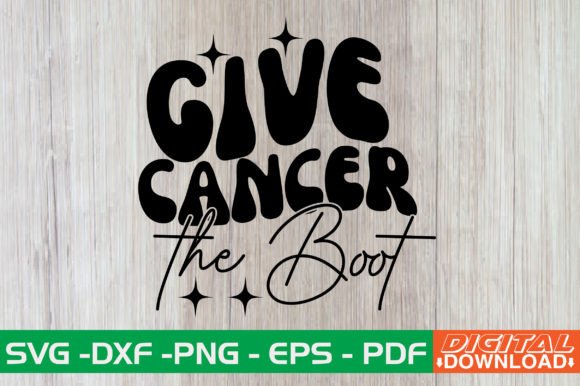
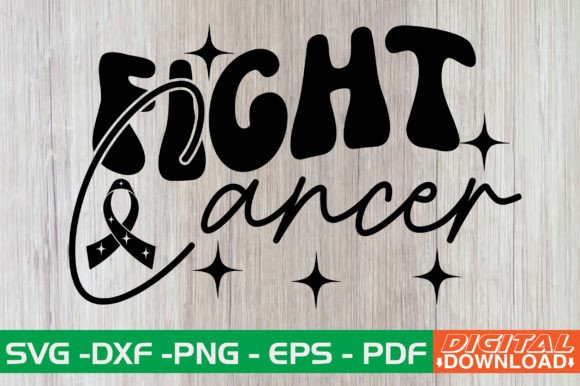
The moment you load the Fight Cancer Retro SVG, the retro aesthetic immediately sets a tone that feels both nostalgic and empowering. Unlike modern, ultra-minimalist designs that can sometimes feel cold or sterile on a shirt, this design carries warmth. The layout suggests a classic approach to typography and iconography, which translates beautifully when rendered in thread. For an embroidery designer, the "word-by-layer" aspect mentioned in the download is a crucial detail. It means you aren't stuck with a single block of text; you have the freedom to manipulate individual elements, change thread colors for each word, or even separate the ribbon symbol from the text to create a more dynamic composition.
This design naturally belongs in projects where emotional resonance matters. It screams personal connection rather than mass production. Whether you are creating a custom gift for a friend recovering from treatment or launching a boutique line of awareness merchandise, the visual personality of this file invites the viewer to stop and read. It works particularly well when paired with high-quality, solid-color fabrics where the contrast allows the retro lines to pop without getting lost in busy patterns.
Real-World Application: From Screen to Stitch
Let me walk you through a real scenario I recently considered using this design for. Imagine a small business owner preparing a batch of embroidered tote bags for a local charity run supporting cancer research. They need something that looks professional but also feels handmade and heartfelt. The Fight Cancer Retro SVG fits this brief perfectly. Because the file includes layers, the designer could use a bold satin stitch for the main text to give it weight and durability, while perhaps using a running stitch for any decorative accents if the file structure allows.
I tested the concept mentally on various items. On a heavy cotton canvas tote bag, the retro style would stand out against the natural weave of the fabric. However, consider a baby onesie. Here, the design's appeal shifts. The soft, rounded nature of retro fonts is gentle on the eyes, making it suitable for nursery decor or baby gifts. But you must be mindful of the stitch density. If the design is too dense, it might make the delicate fabric of a onesie stiff and uncomfortable. In this case, reducing the fill density or simplifying the background elements before stitching would be a smart move.
For apparel decorators looking at sweatshirts or hoodies, this design shines. The retro vibe pairs exceptionally well with vintage-wash fabrics or distressed denim jackets. You could use contrasting thread colors for the words to create a gradient effect, adding depth that a flat print simply cannot achieve. The layered nature of the Fight Cancer Retro SVG allows you to experiment with these color combinations easily, ensuring the final product matches your brand's aesthetic.
Navigating Challenges: Where to Proceed with Caution
While this design is versatile, it is not without its challenges. As an experienced reviewer, I have to point out where this file might struggle. Small hoop sizes are the first red flag. If you attempt to stitch this on a cap or a very small patch, the intricate details of the retro font might get lost or merge together. The curvature of a cap can also distort straight lines, so testing on scrap material is non-negotiable here.
Texture is another factor. If you are working with a highly textured fabric like a chunky knit sweater or a loose-weave linen, the definition of the letters might suffer. The stitches may not lay flat, leading to a messy appearance. Similarly, thin or stretchy fabrics require a robust stabilizer strategy. Without proper backing, the tension of the embroidery machine could pucker the fabric, ruining the clean look of the retro design.
Dense stitch areas are worth noting as well. If the original file contains large blocks of fill stitch, they can become heavy and prone to breaking threads, especially on lighter garments. You might need to adjust the settings in your digitizing software to reduce the stitch count or switch to a different stitch type to ensure the longevity of the finished product. Always check the file specifications provided in the download to see if adjustments are needed for commercial machines versus home hobbyists.
Impact on Brand and Customer Trust
In the world of Etsy sellers and craft businesses, the quality of your finished product speaks volumes about your brand. A poorly executed embroidery job can erode customer trust instantly. Conversely, a well-stitched Fight Cancer Retro SVG demonstrates professionalism and care. When customers receive a personalized gift or a custom apparel item that looks polished, they are more likely to return and recommend your shop.
The design's theme adds an extra layer of value. People buying items with this message are often looking for something meaningful. They want to support a cause or honor a loved one. By delivering a high-quality embroidered piece, you elevate the perceived value of the item. It transforms a simple tote bag or t-shirt into a keepsake. The retro aesthetic ensures it doesn't look dated quickly, giving your products a timeless appeal that resonates across different demographics.
Practical Designer Notes for Success
If you are ready to bring this design to life, here are some essential steps to ensure success. First and foremost, always test the design on scrap fabric that matches the weight and texture of your final project. This helps you gauge the stitch density and thread tension before committing to expensive materials. Check your thread color contrast carefully; a light thread on a dark fabric or vice versa needs to be crisp to maintain the integrity of the retro font.
Review the stitch density within the file. If the design is too crowded, consider modifying it to open up the spacing. Confirm your hoop size limitations to avoid cutting off parts of the design during stitching. Inspect small details closely, as tiny serifs or curves can sometimes disappear if the resolution isn't high enough or if the machine tension is off.
Don't forget to test your design in black and white mockups. This helps you visualize how the shapes will hold up without the distraction of color. Compare how it looks on light versus dark backgrounds to ensure versatility. Use the proper stabilizer for your fabric type—cut-away for stretchy materials and tear-away for wovens. Finally, confirm whether the license terms allow for commercial use if you plan to sell finished items. The download description mentions a zip file with SVGs compatible with Cricut, but you should verify if those rights extend to machine embroidery or if additional licensing is required for selling products made with this design.
The Fight Cancer Retro SVG offers a powerful blend of sentiment and style. When handled with the right technical skill and attention to detail, it becomes more than just a design asset; it becomes a tool for connection and expression. Whether you are a seasoned pro or a hobbyist looking to start a small shop, this file provides a solid foundation for creating meaningful, high-quality embroidered goods.