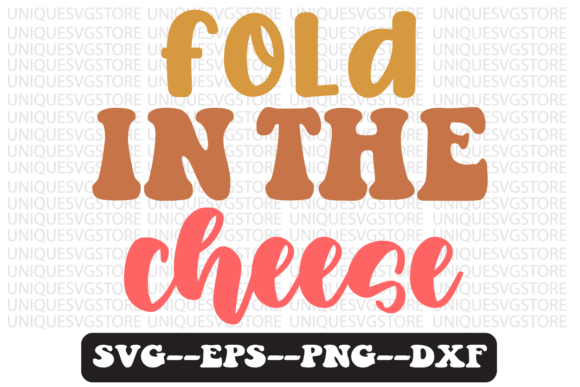
Fold in the Cheese Retro Svg Design Review
As someone who spends more time looking at stitch density charts and fabric grain than actually wearing clothes, I approach every new digital asset with a healthy dose of skepticism. The embroidery space is flooded with generic clipart that looks fantastic on a screen but turns into a muddy mess once it hits the hoop. That is why when I came across the Fold in the Cheese Retro Svg Design, I decided to put it through its paces. This isn't just about whether the file opens correctly; it is about whether this design holds up as a viable option for serious craft business items, personalized gifts, and high-end custom apparel.
The First Impression: Mood and Visual Personality
Let’s talk about the vibe. The title suggests something playful, and the visual execution delivers exactly that. The Groovy retro svg Design taps into that nostalgic 70s aesthetic without feeling dated or cheesy—pun intended. The layout feels balanced, which is crucial for embroidery because an unbalanced design can pull the fabric out of alignment during stitching. From a designer’s perspective, the shapes are clean. There is no unnecessary clutter that would require excessive trimming or complex jump stitches.
For those of us in the handmade product space, personality sells. A plain text design might be safe, but a graphic with character, like this cheese fold, creates an immediate emotional connection. It feels like a piece of art rather than just a logo. This visual weight makes it perfect for statement pieces. Whether you are creating a boutique branding element or a fun addition to a nursery decor item, the design commands attention without shouting. It strikes that rare balance between professional polish and whimsical charm.
Real-World Application: Where Does It Shine?
I have been thinking about where this Fold in the Cheese Retro Svg Design fits best in a real project workflow. My first instinct was to look at soft goods. Specifically, I see this performing exceptionally well on sweatshirt embroidery projects. The retro theme pairs naturally with heavy cotton blends found in hoodies and crewnecks. Imagine a cream-colored sweatshirt with the design centered on the chest, using warm mustard and orange threads to pop against the neutral background. It feels cozy, inviting, and highly marketable.
Beyond apparel, this design has strong potential in the realm of kitchen textiles. A tote bag design made from sturdy canvas could feature this on the front pocket, adding a touch of humor to grocery runs. Similarly, for the home decor market, printing or embroidering this on tea towels or pillow covers offers a unique twist on traditional kitchen aesthetics. It moves away from the standard floral patterns and introduces a conversational piece that guests will actually notice.
There is also a niche here for baby items. While "cheese" might seem odd for a baby shower gift, the cute, rounded nature of the retro style makes it suitable for a onesie or a blanket. Parents love gifts that are both adorable and slightly irreverent. If marketed correctly as a fun, groovy addition to a modern nursery, this baby embroidery project could stand out in a crowded Etsy listing.
Technical Considerations for Embroidery Designers
Here is where we get practical. Not all graphics translate well to thread. When evaluating any machine embroidery design, I always consider how the elements will stitch out. The Fold in the Cheese Retro Svg Design appears to rely on bold outlines and solid fills. This is generally good news for stability, but it requires careful planning regarding stitch density.
If you plan to use large areas of fill stitch, you need to ensure your machine can handle the thickness, especially on thinner fabrics. For textured fabrics like denim or fleece, a high-density fill might cause puckering. In these cases, switching to an applique design approach or reducing the stitch count in the fill areas might be necessary to maintain a crisp finish. Always test the design on scrap fabric first to gauge how the thread colors interact with the specific material you are using.
Another critical factor is the hoop size. Before committing to a large production run, confirm the dimensions of the design. If you are working with a small hoop, you may need to resize the design, which can impact the clarity of smaller details. Conversely, if the design is too large for the garment area you are targeting, it may overwhelm the wearer. Checking the embroidery file properties is a quick step that saves hours of rework later.
Where to Use Caution
While this design is versatile, there are scenarios where it needs careful handling. Avoid placing dense graphic designs on stretchy fabrics like thin spandex blends without proper stabilizer support. The tension can easily distort the image. Similarly, be cautious with curved surfaces like caps or hats. While possible, achieving a flat, smooth result on a curved brim requires advanced technique and potentially digitizing adjustments to account for the curve.
Also, consider the washing instructions for your finished product. If this is going on a custom apparel item that will be washed frequently, ensure the stitching is secure. Loose threads or poor underlay can lead to premature wear. Using a quality cut-away stabilizer for woven fabrics and a tear-away for knits (depending on the fabric weight) will help preserve the integrity of the finished product.
Commercial Viability and Branding
For the Etsy seller or small shop product owner, the question is always: will this sell? The answer lies in the specificity. Generic designs are hard to rank for. A specific, thematic design like this allows you to target keywords such as "retro kitchen decor," "funny food embroidery," or "groovy gift ideas." It helps you build a cohesive collection. If you are building a brand around quirky, food-themed humor, this design asset fits right in.
Furthermore, the versatility of the source file means you can create various printable mockups for your online store. Show the design on a mug, a tote, and a shirt simultaneously. This helps customers visualize the handmade product in their own lives, increasing engagement and trust. A professional presentation elevates the perceived value of the item, allowing you to command a higher price point for your labor and creativity.
Final Verdict and Practical Tips
The Fold in the Cheese Retro Svg Design is a strong contender for anyone looking to add a bit of retro flair to their embroidery repertoire. It is visually appealing, thematically distinct, and adaptable to a wide range of products. However, success depends on execution.
- Test thoroughly: Never assume a design works perfectly on the first try. Stitch it out on the actual fabric you intend to sell.
- Check licensing: Before selling commercial embroidery items, verify the terms of use for the digital embroidery file. Ensure you have the right to sell finished goods.
- Optimize thread choices: Experiment with different thread colors to find the highest contrast and most pleasing palette for your target audience.
- Inspect details: Zoom in on the design before stitching. Look for tiny corners or thin lines that might break or blur during the process.
By paying attention to these details, you can transform a simple SVG into a standout embroidery project that delights customers and builds your reputation as a thoughtful, skilled maker. Whether you are a hobbyist making a personalized gift or a pro scaling your craft business, this design offers a fun, reliable foundation for creativity.