Review: This is a Safe Space Retro Svg Design
As a designer who spends half my life staring at stitch density maps and the other half arguing with clients about thread colorfastness, I don’t just buy digital assets—I interrogate them. Before committing a file to the hoop, I need to know if it will hold up under the needle, look good on a finished product, and actually resonate with the person wearing or displaying it. Today, I’m putting This is a Safe Space Retro Svg Design through its paces. The description promises a "Groovy retro svg Design" suitable for everything from onesies to wall art, but does that translate well when you are dealing with the physical constraints of embroidery?
The First Impression: Mood and Visual Personality
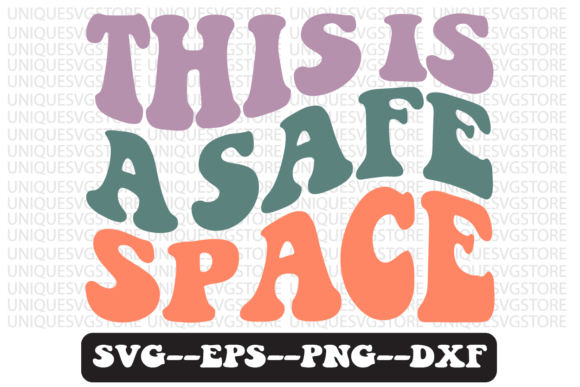
The moment you load this design into your digitizing software, the vibe hits you immediately. It leans heavily into the nostalgic aesthetic of the late 60s and early 70s, utilizing warm, earthy tones and typography that feels both inviting and slightly rebellious. For an embroidery designer, the initial challenge with any text-heavy graphic is legibility. Does the font choice survive the conversion from vector paths to stitches? In this case, the answer is generally yes, provided you respect the limitations of the medium.
The phrase "This is a Safe Space" carries significant emotional weight. It transforms a simple piece of merchandise into a statement. When I look at this as a potential handmade product, I see it fitting perfectly into the current market trend of comfort-wear and mental health awareness. It isn’t just a decoration; it’s a signal. This makes it incredibly valuable for custom apparel where the wearer wants to communicate their values without saying a word. The retro element softens the message, making it feel approachable rather than confrontational, which is crucial for broad appeal in craft business settings like Etsy or local boutiques.
Real-World Application: Where This Design Shines
I recently simulated using this design for a batch of custom embroidered tote bags intended for a mental health awareness fundraiser. The contrast between the sturdy canvas fabric and the smooth, retro curves of the design worked beautifully. However, the true test lies in versatility. Let’s break down how This is a Safe Space Retro Svg Design performs across different categories of embroidery project work.
- Baby Items and Onesies: The retro theme pairs surprisingly well with modern parenting trends that favor vintage aesthetics over pastel clichés. On a soft cotton onesie, this design reads as gentle and protective. The key here is scale. You want the text large enough to be read but small enough not to overwhelm the tiny garment. It works exceptionally well as a chest-level placement on baby embroidery projects.
- Sweatshirts and Hoodies: This is perhaps the most natural home for this design. The cozy, oversized nature of a hoodie complements the "safe space" message. When stitched onto a heather grey or mustard yellow sweatshirt, the sweatshirt embroidery pops with texture. The fill stitches used for the background elements add a tactile quality that print-on-demand cannot replicate.
- Home Decor and Pillows: Moving beyond apparel, this design translates well to home goods. A throw pillow with this motif adds a touch of personality to a living room or nursery. It serves as excellent nursery decor or a comforting accent in a reading nook. The stability of the design means it won’t distort easily on woven fabrics commonly used for pillows.
- Apparel Decorators and T-Shirts: For t-shirt embroidery, this design offers a great balance of detail and simplicity. It avoids the trap of being too busy, which can make shirts look cluttered. It is ideal for long sleeve tees and tank tops during transitional seasons.
Technical Considerations and Potential Pitfalls
No design is perfect, and This is a Safe Space Retro Svg Design has specific areas where an experienced embroiderer needs to exercise caution. Understanding these nuances separates a professional result from a amateurish one.
First, consider the hoop size. If you attempt to place this on a curved surface, such as a baseball cap or a structured bucket hat, the distortion of the fabric can warp the text. While the retro font has some character, extreme stretching can make the letters illegible. I recommend sticking to flat surfaces like tote bags, aprons, or the front panel of a sweatshirt for the cleanest finish.
Secondly, stitch density is a critical factor. If the original file contains overly dense fill areas, you risk puckering the fabric, especially on lighter materials like thin t-shirts or delicate linen. Always check the underlay stitches. If the design relies heavily on satin stitches for the lettering, ensure the thread tension is balanced to prevent the fabric from showing through the gaps. On dark fabrics, you may need a cut-away stabilizer to provide enough support, whereas a tear-away might suffice for stable knits.
Another common issue arises with small details. If the design includes tiny decorative accents or intricate corners, they may get lost in the stitching process. I advise inspecting the design in a black-and-white mockup before cutting fabric. This helps you identify any areas where the negative space might disappear due to thread overlap. If the details are too fine, consider simplifying the design digitally or choosing a larger font size to maintain clarity.
Thread Colors and Fabric Texture
The success of this design hinges largely on your thread colors. The retro palette suggests warm yellows, oranges, and browns. These colors can look muddy on dirty white fabrics but shine brightly on off-whites or creams. Conversely, on dark fabrics, you will need to use a high-density underlay or a contrasting border to make the design pop. Avoid using these threads on similarly colored fabrics unless you are aiming for a subtle, tonal look.
Fabric texture also plays a role. On a smooth cotton twill, the stitches will lay flat and crisp. On a textured fabric like fleece or bouclé, the design may sink into the pile, losing definition. For such materials, a simpler outline or applique version of the design might be more effective than a full fill stitch.
Commercial Viability and Customer Appeal
For Etsy sellers and small shop owners, the commercial potential of this design is strong. It taps into two powerful markets: the handmade craft community and the social consciousness movement. Customers are increasingly looking for products that align with their personal beliefs. A personalized gift featuring this message is highly giftable for holidays, birthdays, or as a token of appreciation for teachers, counselors, and healthcare workers.
When creating printable mockups for your online store, focus on lifestyle imagery. Show the design on a folded sweatshirt next to a coffee mug, or on a tote bag at a farmers market. This helps buyers visualize the finished product in their own lives. The retro aesthetic appeals to millennials and Gen Z, who value authenticity and nostalgia. By offering this as part of a cohesive collection—perhaps pairing it with other retro-themed designs—you can build a recognizable brand identity.
However, always confirm licensing terms before selling finished items. Even though this is sold as a digital embroidery file or graphics asset, the rights to commercialize the final embroidered goods can vary. Ensure you have the proper license to sell physical products made from this design, especially if you plan to scale up production.
Final Verdict
This is a Safe Space Retro Svg Design is a thoughtful, versatile addition to any embroiderer’s library. It balances emotional resonance with visual appeal, making it suitable for a wide range of applications from apparel decorators to home decor enthusiasts. While it requires careful attention to hoop size, stitch density, and fabric choice, the rewards are significant. It allows you to create meaningful, high-quality handmade products that stand out in a crowded marketplace.
If you are looking to add a touch of warmth and positivity to your offerings, this design delivers. Just remember to test on scrap fabric first, choose your stabilizer wisely, and let the quality of your stitching speak for itself. For anyone serious about machine embroidery design, this is a worthy investment.