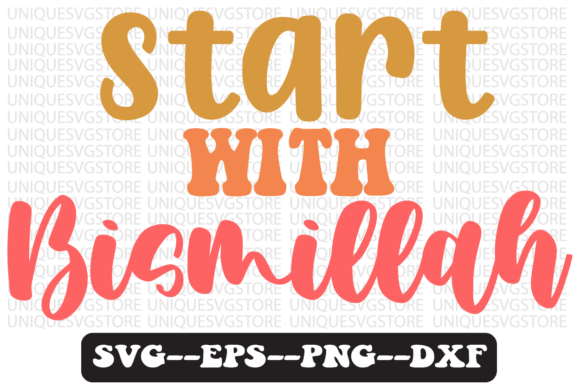
Start with Bismillah Retro Svg Design
As a designer who spends more time staring at digitized files than sleeping, I have developed a rather specific set of criteria for what makes an embroidery design actually work in the real world. It is not enough for a file to look pretty on a screen; it must translate cleanly through needle and thread, hold up to washing, and resonate with the person wearing or displaying it. When I first pulled up the Start with Bismillah Retro Svg Design, my immediate reaction was one of cautious optimism. The concept is strong, but the execution needs careful consideration before committing it to fabric.
First Impressions and Visual Personality
The title itself sets a spiritual tone, while the "Retro" descriptor promises a specific aesthetic vibe. In the world of digital graphics and embroidery, combining religious text with groovy, vintage styling is a delicate balancing act. If done poorly, it can feel disjointed or disrespectful. If done well, it creates a unique niche product that stands out in a crowded market.
This design leans heavily into the groovy retro svg Design aesthetic. We are talking bold curves, perhaps some vibrant color blocking, and a layout that feels energetic rather than static. For an embroidery project, this means the visual weight is likely distributed in a way that requires good stitch density to avoid looking sparse. The mood it creates is welcoming, modern, and culturally proud. It feels like something you would see in a trendy boutique in Los Angeles or a curated shop in London, rather than a traditional gift store. This distinction is crucial for anyone targeting a younger, fashion-forward demographic.
Real-World Application: From Screen to Stitch
I recently had a client request a custom line of apparel for a community event, specifically asking for items that felt both spiritual and stylish. They wanted to move away from the standard, somber designs and embrace something brighter. This is where Start with Bismillah Retro Svg Design becomes a compelling candidate. Imagine this design embroidered on a high-quality cotton sweatshirt. The retro typography would pop against a heather grey or cream fabric, creating a piece of wearable art that sparks conversation.
However, the versatility of this file extends far beyond just tops. Because the source is described as an Svg print Design, its vector nature suggests clean lines that should digitize well. I envision this working beautifully on:
- Custom Apparel: T-shirts, long sleeve tees, and tank tops benefit from the boldness of the retro style. The design commands attention without needing excessive detail.
- Baby Items: A onesie featuring this design could be a standout item for a baby shower gift. The soft curves of the retro font pair well with the innocence of baby wear, provided the lettering remains legible.
- Home Decor: Pillow covers or wall art allow for larger hoop sizes, giving the design room to breathe. On a pillow, the retro vibe adds a playful touch to a living room or nursery.
- Accessories: Tote bags and aprons are practical canvases. The durability of the embroidery will withstand daily use, making it a functional piece of branding or personal expression.
For the Etsy seller or small business owner, these applications represent high-demand categories. The ability to offer personalized gifts with a modern twist is a significant competitive advantage. Buyers are increasingly looking for products that reflect their identity in a contemporary way, and this design bridges the gap between tradition and trend.
Technical Considerations and Potential Pitfalls
While the visual potential is clear, we must address the technical realities of turning a graphic into an embroidery file. Not all SVGs are created equal when it comes to stitching. The primary concern with any text-based design, especially one with stylized fonts, is legibility after stitching.
If the retro style relies on thin lines or intricate serifs, those details may get lost in the stitch density or merge together on smaller hoop sizes. I strongly advise testing this design on scrap fabric before committing to expensive materials. Pay close attention to how the satin stitch handles the edges of the letters. If the text is too narrow, the stitches may overlap awkwardly, creating a blobby appearance rather than crisp typography.
Fabric choice is equally critical. This design might struggle on highly textured fabrics like heavy denim or loose-weave linen, where the background noise competes with the design's lines. Similarly, stretchy knits require a sturdy stabilizer to prevent distortion. If the design includes small decorative accents or tiny lettering, these elements are risky on curved surfaces like caps or hats, where tension varies across the curve.
Another factor to consider is color contrast. The retro palette likely includes bright or pastel tones. On dark fabrics, these colors may lack the necessary punch unless you use high-density underlay or choose thread colors specifically designed for dark backgrounds. Always test your thread colors against your actual fabric swatches. What looks vibrant on a monitor can appear muddy through a layer of polyester thread.
Practical Designer Notes for Success
To ensure the highest quality finished product, I recommend following these steps during your production process:
- Mockup Testing: Before stitching, view the design in black and white on your software. This helps assess the balance and spacing of the elements independent of color distractions.
- Hoop Size Verification: Confirm the recommended hoop size for the design. If you plan to place it on a specific garment, measure the available space carefully. A design that fits perfectly in a 4x4 hoop may be too large for a chest pocket area.
- Stabilizer Selection: Use a cut-away stabilizer for knit fabrics to provide lasting support, and a tear-away for wovens if the design is stable. The wrong stabilizer choice can lead to puckering or shifting.
- Licensing Check: As a commercial embroidery asset, it is vital to verify the licensing terms. Ensure you have the right to sell physical items made from this design. Many digital products come with restrictions that vary by platform.
Final Verdict on Market Fit
The Start with Bismillah Retro Svg Design offers a fresh take on a classic theme. It appeals to a broad audience, from hobbyists making personal gifts to professional Etsy sellers looking to expand their catalog. Its strength lies in its visual personality—it is confident, stylish, and meaningful.
However, success depends entirely on your preparation. Treat it as a design asset that requires respect and testing. Do not assume it will stitch perfectly out of the box. By paying attention to stitch density, fabric texture, and thread contrast, you can transform this graphic into a premium handmade product that customers will love. Whether you are creating a single personalized gift or a batch of small shop products for a craft fair, this design has the potential to elevate your brand presence. Just remember: the best embroidery happens when creativity meets technical precision. Test thoroughly, stitch confidently, and let the design speak for itself.